Understanding the Core Problem
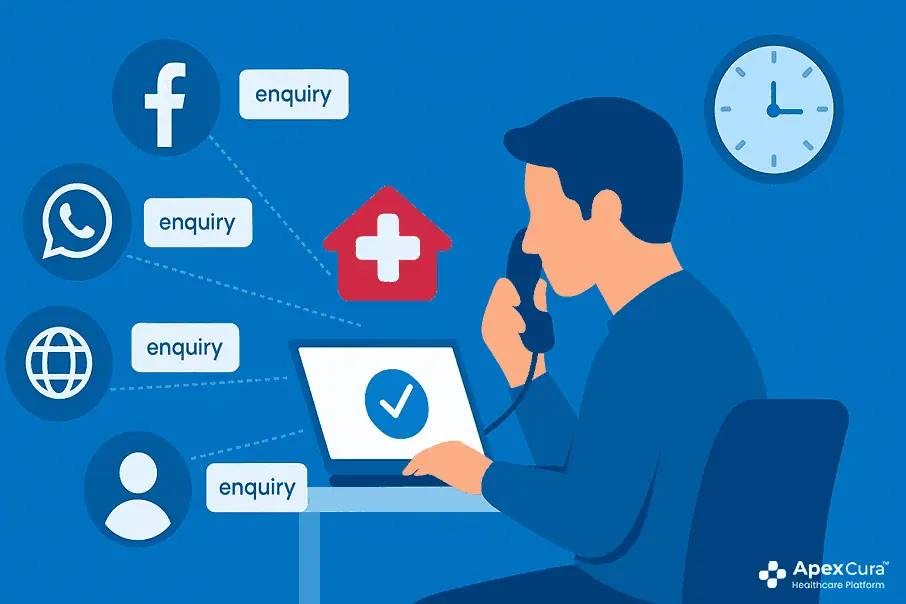
The unacceptable delay wasn’t due to lack of effort. It was primarily because enquiries were coming from multiple channels, the response time was not monitored as a KPI and there was no system to track response times clearly. Hospital staff were juggling between calls, WhatsApp chats, and social media DMs. In this process, switching between systems & prioritization of responses was difficult. Because of the delay, in many cases, the patient had already found another option or moved on. The objective was simple: make it easier for the hospital team to respond faster and bring better visibility to the process.
How Apex Cura Helped
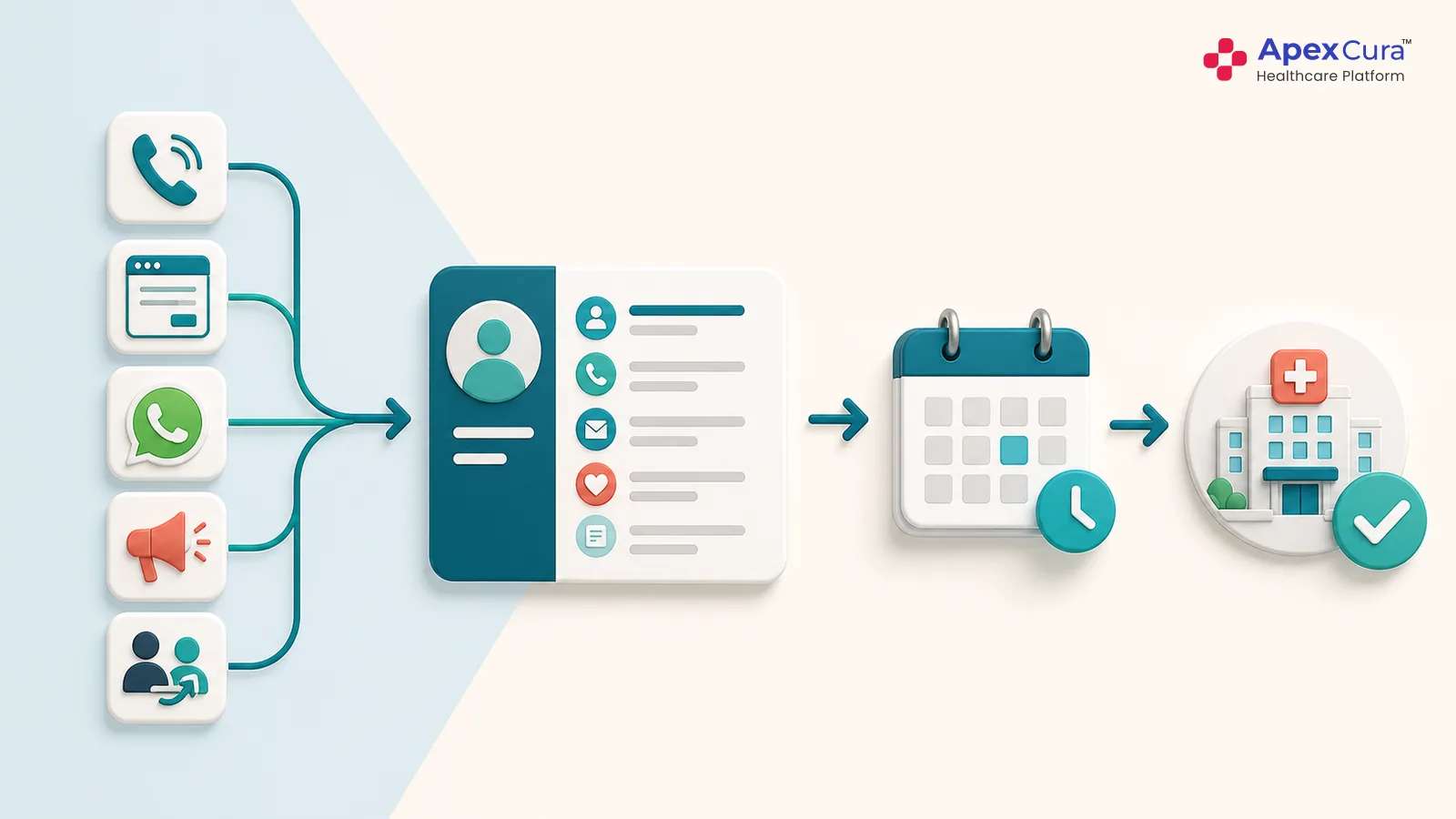
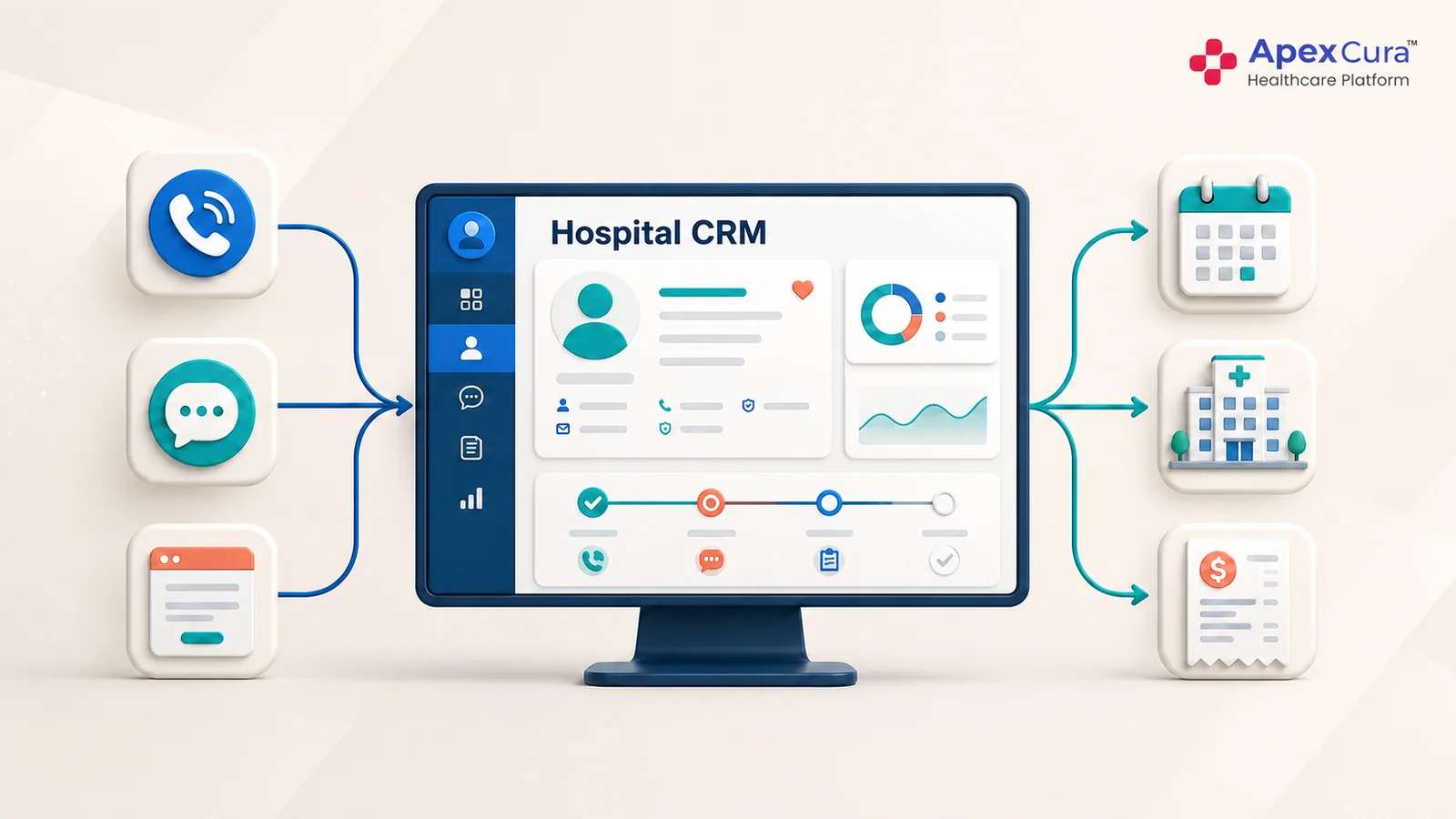
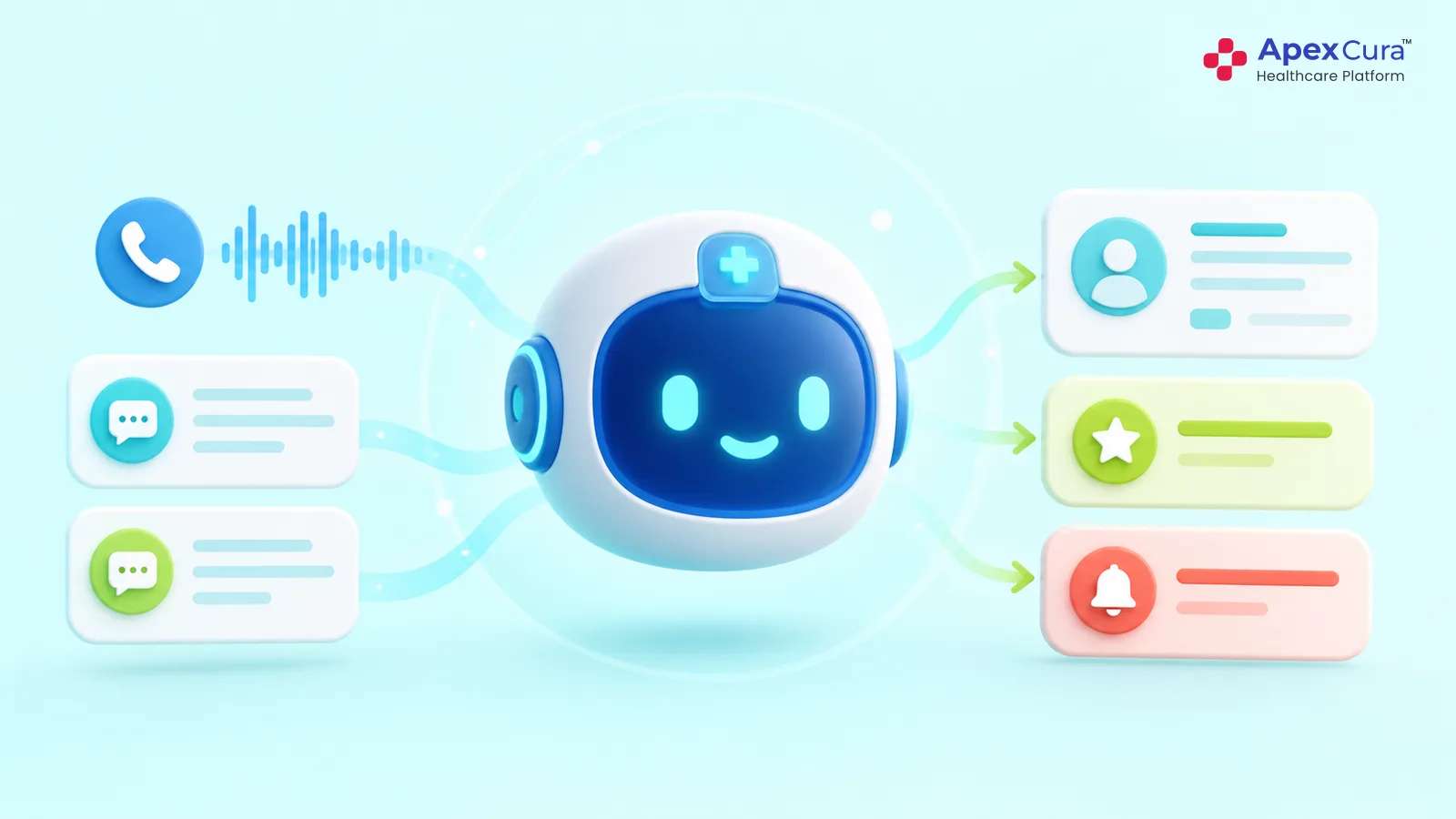
The first step was to centralize all patient enquiries. Through API integrations, we connected the hospital’s website, WhatsApp, Facebook, Instagram, and aggregator portals into one unified dashboard inside Apex Cura. Now, no matter where a patient submitted a query, it appeared instantly at one place — easy for the outbound team to act on.
Next, we integrated the hospital's IVR system with Apex Cura's enquiry dashboard. This allowed the outbound team to make calls directly from the system, rather than switching between different devices or apps. Importantly, by enabling calls through the Hospital Call-Centre CRM, we could accurately track the first response time for every enquiry— from lead generation to first contact.
Finally, we established a daily MIS reporting structure. Every morning, the same set of key metrics — including average response time, pending leads, and follow-up status — was shared across the management team, CXOs, and operational heads. This created alignment and made response performance a visible, day-to-day focus.
The Results We Achieved
Within three months, the improvements were clearly visible. The average response time dropped to 21 minutes, based on monthly aggregated data. This faster response had a direct impact on patient experience and feedback. Patients were being contacted while they were still actively engaged, resulting in better conversations, faster decision-making, and an overall improvement in appointment bookings.
The hospital also saw roughly 5% increase in its monthly outpatient traffic — driven partly by this faster and more responsive lead management. Another important gain was the reduction in manual effort. With automated lead capture, call initiation from the system, and follow-up tracking, the hospital’s staff had all the required data in front of them to drive meaningful patient interactions rather than administrative tasks.
Why This Approach Worked
The success wasn’t because of any complex change. It worked because the system fit naturally into the hospital's workflow. It didn't require additional resources or major operational changes. It simply made their existing teams faster, more organized, and more data-driven. Most importantly, it gave visibility. Every department, from front-desk staff to management, could see exactly how quickly they were responding — and how it was improving week after week.
Conclusion
Patient are increasingly using multiple channels for communicating with the hospital and managing speed of response is now just as critical as clinical excellence. Patients today expect quick replies when they reach out. By helping this hospital bring all enquiries into one place, streamline outbound calling, and track performance daily, Apex Cura enabled a simple but powerful improvement that has impacted revenue.
If you are handling a similar problem at your Hospital, then do reach out through our contact page to explore how we can solve this for you.